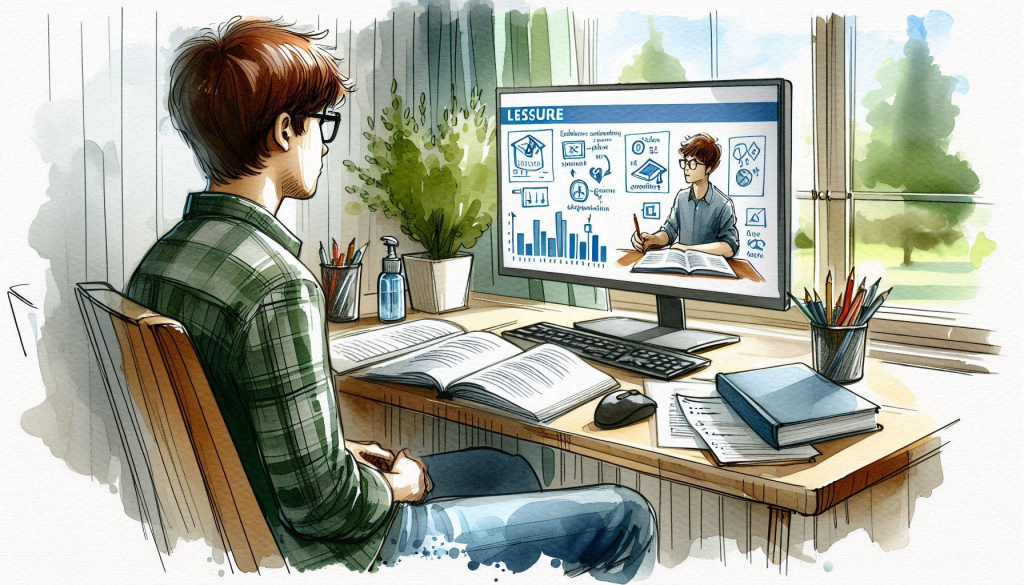
Why: More class time is needed to prepare students in an ever-changing digital terrain.
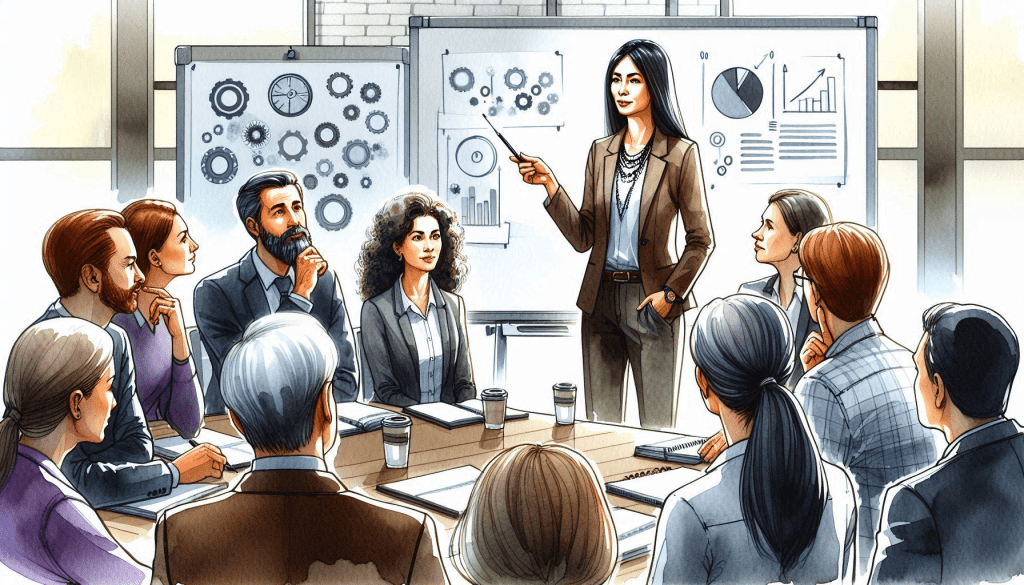
Image created by Samara Marin using Copilot 2024
As long as I have been a teacher, I have seen over 700 students walk through the door into my classroom. Each student has their own story, motivation, and reason for why they love or hate my class. Often, I catch some of my students sleeping in my class, and like many new teachers, the first year I was a teacher, I blamed it on staying up late playing games, reading, or any other reason I could imagine. That was my problem; I imagined the reasons and did not communicate with my students.
I started teaching in January 2019, and that year, I had a student in my tutorials who was attempting to retake the STAAR English II test. That experience changed my thinking and is one of the main reasons why I firmly believe the flipped classroom can be beneficial for many school systems, especially high schools.

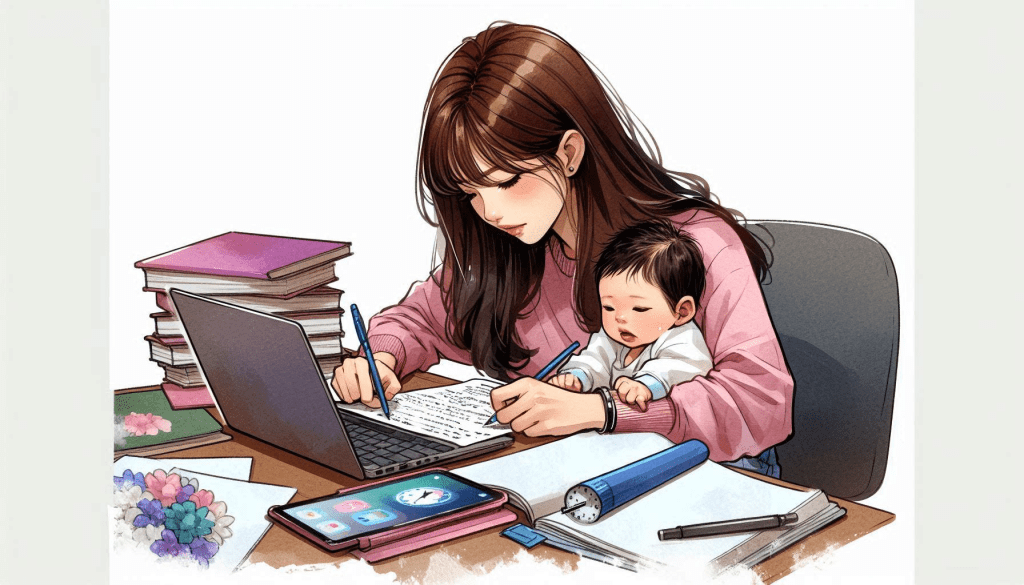
Many teachers who have been teaching for years have met a student in a similar situation. He was going to school full-time and working full-time; he often arrived at school with minimal sleep. He would always have a positive attitude; however, he would try to complete some of his homework in tutorials instead of the remediation work assigned to help him pass his test. As I continued my journey as an educator, I learned that his story is not unique in the high school setting. Many students work full-time jobs and/or help their parents by caring for their younger siblings. As I spoke to educators from other districts, I learned it is happening everywhere. The U.S. Bureau of Labor Statistics reported that in 2023, “55.0 percent of young people (persons ages 16 to 24)” (2023); to add to the equation, many of these students also care for a family member. Emma Armstrong-Carter co-published at least two journals that researched adolescent caregivers and their effects on their well-being. Both studies found that ” more than 5.4 million children and adolescents take care of siblings, parents, and grandparents on an ongoing basis” (Armstrong-Carter et al., 2023).
“Everyday classroom teaching is not what children will remember, but how you made a difference in their lives.”
– Nita Ambani
So why is a flipped classroom necessary in some high schools? Because many students can not afford the mental strain of homework at home. After being in school for eight hours, they go home and do homework while caring for a sibling or working a shift. These are only two of the major problems, which are before getting into students’ situations where they have no one to help with the homework at home. These are just a few problems that can be solved with a flipped classroom setting. Some will think the flipped classroom is unnecessary due to these being isolated issues, and while yes, they can be, there are two solutions to that thought process: A. The flipped classroom is not a one-size-fits-all solution as with every solution. Each district must look at its demographics. B. This solution evens the playing field for those students who often complete their homework during lunch or free periods due to not having time after school, which is the premise of “no child left behind.”
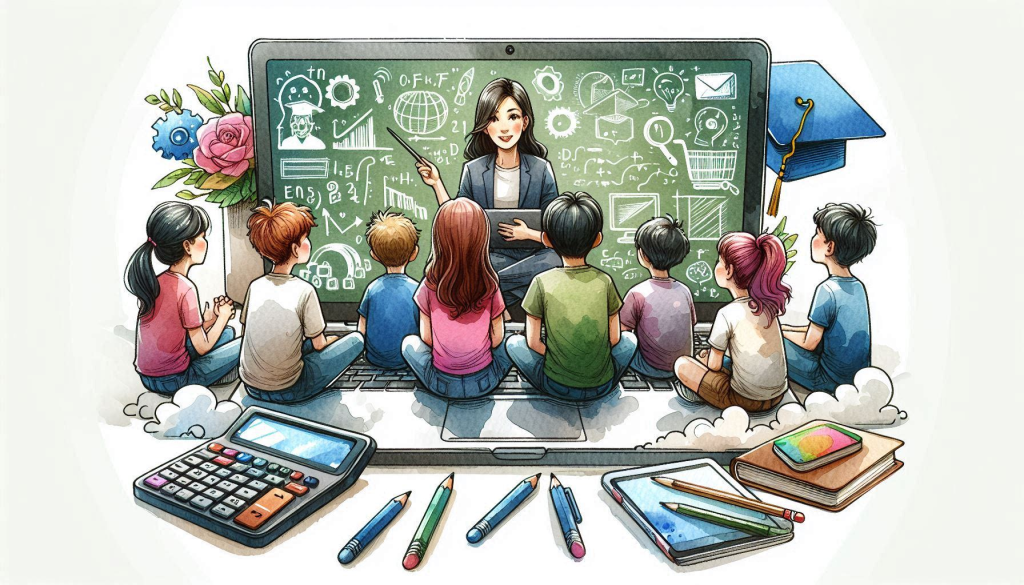
How: Use the digital terrain to your advantage, and employ the tools created daily to extend learning outside the classroom.
Image created by Samara Marin using Copilot 2024
“Simply paying attention allows us to build an emotional connection. Lacking attention, empathy hasn’t a chance.”
-Daniel Goleman
When I realized that a change was needed, I began paying attention to those around me. Like the student in the story at the beginning, I realized he was not the only student. I started speaking with my coworkers, who had been teachers for years. I will never forget what Mr. Hill told me during my first year: “Just let them see you, and they’ll start knowing you care.” He explained that, however, if I let them see me, whether it meant eating lunch in the lunch room, making it to the sports events, or however I did, eventually, the students would stop seeing me as an enemy, and I could build a rapport with them. Rapport has been one of my greatest assets as a teacher. Students began to tell me why they weren’t completing homework or coming to me for help during their lunch period for extra help on assignments. Nevertheless, this only worked for some students, so I also worked closely with other educators on my campus and the counselor if I noticed anything was off with a student. However, the starting point was paying attention and noticing if a student was struggling.

Many students have already used their lunch time to work on homework assignments; therefore, I did not want to be another reason for them to use their social time on school work. To mitigate some of the students’ confusion while still helping them, I have a TEAMS page, and the school district has synced my classes to a Clever account. Through both of these programs, students are allowed to send questions about assignments, and they know that I have “office hours” during which I answer messages. If they send a message outside of office hours showing that they at least attempted to complete their assignment, the students will not lose points on the assignment they were trying to complete.
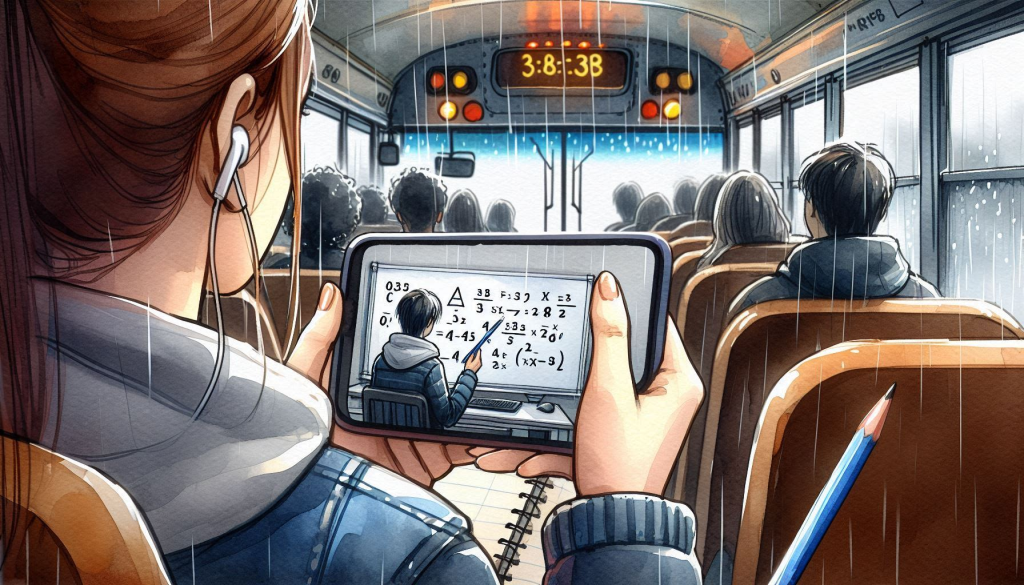
I noticed that during classroom lectures many students were not paying attention; often, they would ask their friends for the summary of the lecture the next class period. If students were explaining and copying homework for each other during lunch, why not try the same with video lectures? When students have a project on a specific topic, I will use apps such as Nearpod to create video lectures with short questions embedded in the lecture or video for students to answer. To complete the project accurately, the students must understand the video lecture and have a classmate explain the lecture anyway. The video lectures allow me to give students one day of class time to work on their group projects, which is helpful to students who may not be able to work on the projects at home.
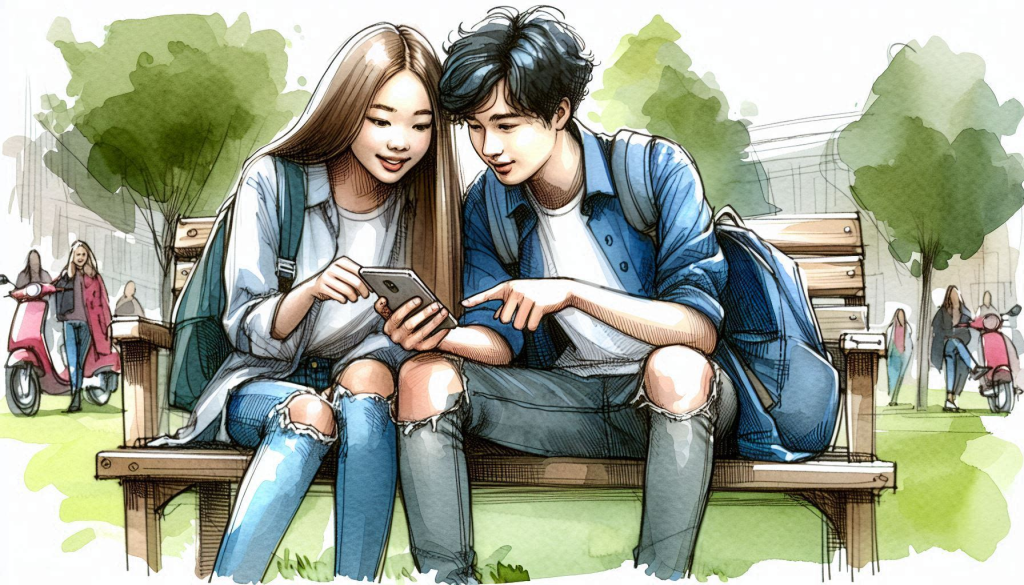
The final way I have been flipping the classroom is by using a student-paced grammar program called Noredink. Once a week, students log on to Noredink and work on their grammar skills while I facilitate. Students have the option of asking me for assistance or their classmates. The rule for asking their classmates is that the student helping can not give out answers but must ask questions: “Why do you think that is the answer?” “What is a gerund?” This platform gives students practice and lessons. This platform gets students used to helping each other, without giving each other the answers. Slowly, these lessons happen less in the classroom and more at home as students become more comfortable helping each other. Noredink is mobile phone friendly and can be completed on a students phone even while riding in a car.
More on how to flip a classroom can be found in my innovation plan, or on the University of Texas at Austin’s Center for Teaching and Learning webpage.
What: The goal is to create lifelong learners who can find and analyze accurate information, not just passively wait for it to be given to them.
Image Created by Samara Marin using Copilot 2024
“Teaching in the Internet age means we must teach tomorrow’s skills today.”
-Dr. Jennifer Fleming
When it comes to teaching, educators are constantly told that we must model behaviors for our students; however, if they are completing assignments at home, it is challenging to model how we want them to complete the assignment. It is also only possible to give instant feedback on homework if it is on the computer, but then we run into the issue of cheating. Therefore, in the age of the internet and AI, many students are opting for the easy way to complete homework when no one is watching. The flipped classroom allows educators to utilize time allotted to them in schools and at home to the fullest potential.
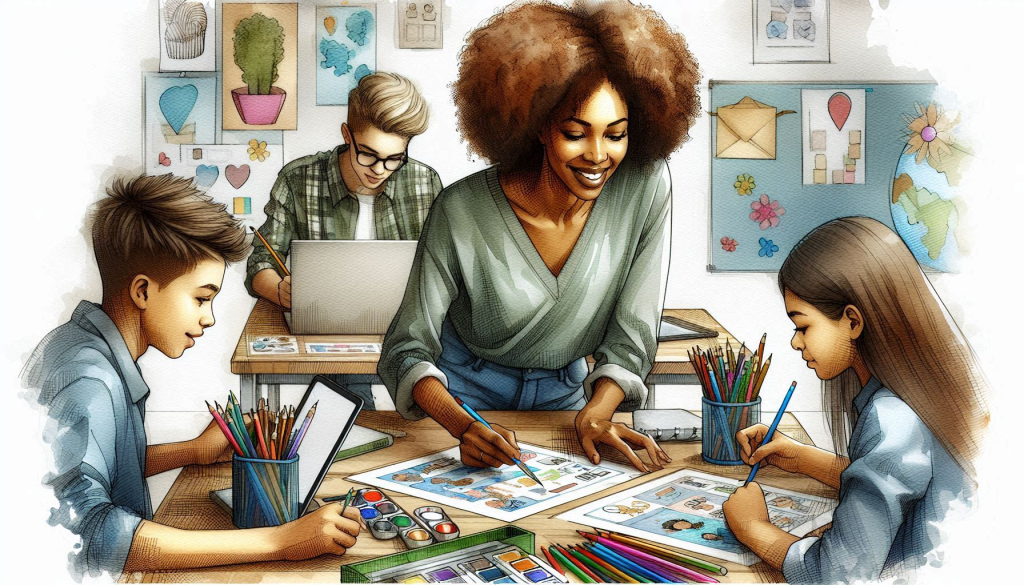
There has been a push to make learning more student-centered, at least since Piaget’s studies, if not before. In the age of digital learning, that has been made possible due to all of the apps and programs that adapt to the student’s level based on a test or student’s answers. The problem now becomes what programs we should use and what educators should do with time spent off technology in a flipped classroom. The flipped classroom sets the stage for student-centered, projected-based, inquiry-based, and discussion-based classrooms or a mixture of the styles. It is up to the educator to decide what their classroom should be. My classroom will incorporate all of these because I want a well-rounded student to leave my classroom. In the classroom and through the class TEAMS/Clever page, students are encouraged to ask as many questions as they need to understand a concept.
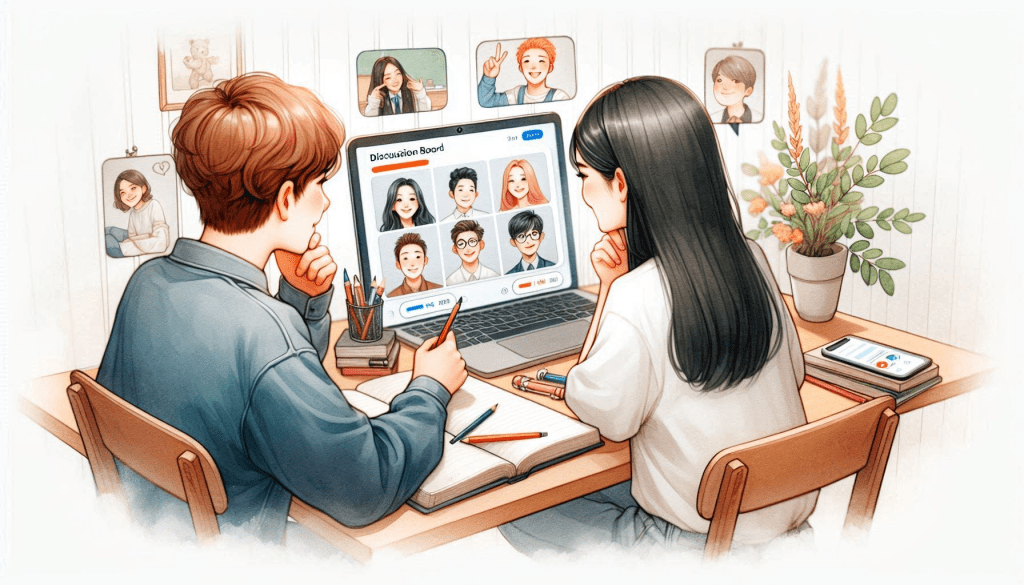
When students don’t have an educator there to answer their questions at home readily, they are expected to either find the answer or know how to ask questions, not state, “I don’t understand.” One aspect of homework many educators have noticed anecdotally is if a student doesn’t understand the homework, the student will wait till the next day and ask a classmate to help or simply cheat. Flipping the classroom to where minimal work is done outside of the school won’t eliminate students misunderstanding the assignments. However, what it will do is change the conversations that students are having outside of the classroom. Students will ask for help understanding the lecture or notes because they need them for the project or assignment that students will do in class. Creating an environment in which students must actively seek knowledge they do not know or understand is the overall goal.

We are living in an age in which information is bombarding our students. It has now become a shift from teaching students how to absorb information to how to sort through information. The main purpose of a flipped classroom is to create a significant learning environment in which student choice, ownership, voice, and authentic learning experiences (COVA) can happen with the educator as a facilitator in the classroom. Many educators are under the false impression that students now are digital natives, and this is not the case. Many students must be taught how to sift through the digital world and learn the difference between a credible source and one that is not. We need to create students who can navigate the changing digital landscape, which is changing again with the introduction of AI. It is no longer enough to allow students to absorb information passively; educators must now show students how to be critical thinkers and actively pursue knowledge. The purpose of the flipped classroom is for the educator to be present as students go on their learning journey; the educator can set boundaries and steer students clear of false information by showing students commonalities between credible sources.
We Need a Sense of Urgency.
Image created by Samara Marin using Copilot 2024
Connecting the why, how, and what statements to something we want is easy. Making the connection easy because our hearts are set on the change we advocate for. An image I read and cannot forget the importance of our why is that mental effort is still effort and can be just as exhausting as physical effort. In “Switch: How to Change When Change Is Hard,” the authors compare the emotional and rational sides, stating that “Haidt says that our emotional side is an Elephant and our rational side is its Rider” (Heath, Heath, 2010). When we don’t have too many emotional decisions, our rider is fine with taming the elephant; however, the more emotional choices we make, the more the rider begins to lose control. Therefore, we need to ensure that we have a solid “why” to ensure that we can keep our emotional side in check and stay on track with our goals.
Moving the elephant that is our heart is easier for educators because we are in the classroom every weekday. We see the struggles that the students are going through. Our stakeholders can see the data; they often receive the data or logical side before we, the educators, do. They know the inner workings of the organization better than most. However, when it comes to the heart, we, the educators, know it more than our stakeholders. We are in the classroom; therefore, we must create that sense of urgency in our stakeholders, especially in our high schools.
This week, I had the privilege of attending a teacher externship at Lamar University’s School of Nursing in Beaumont, TX. One of the talking points the high school teachers in the area asked the faculty was, what are they seeing in the college classroom? Their response shocked us. Many students needed to learn how to navigate online textbooks, find information online, or even send an email. When speaking to the advising department, many first-year students wanted everything handed to them because that is what they are used to. We must do better to prepare our students for the world after our classrooms, even if that world does not involve college, and a crucial part of that is preparing students for the quickly evolving digital world we live in.

References
Image created by Samara Marin using Copilot 2024
Armstrong-Carter, E., Johnson, C., Belkowitz, J., Siskowski, C., & Olson, E. (2020, November 30). The United States Should Recognize and Support Caregiving Youth. Social Policy Report. volume 34, number 2. Society for Research in Child Development. https://eric.ed.gov/?id=ED616337
Armstrong-Carter, E., Osborn, S., Smith, O., Siskowski, C., & Olson, E. A. (2023). Middle and High School Students Who Take Care of Siblings, Parents, and Grandparents: Associations with School Engagement, Belonging, and Well-being. AERA Open, 9, 233285842211403. https://doi.org/10.1177/23328584221140337
Heath, C. (2010). Switch: How to Change Things When Change is Hard. Random House Audio.
How Do You Flip a Class?. Center for Teaching & Learning. (n.d.). https://ctl.utexas.edu/how-to-flip
U.S. Bureau of Labor Statistics. (2023, August 16). Employment and Unemployment Among Youth Summary – 2023 A01 results. U.S. Bureau of Labor Statistics. https://www.bls.gov/news.release/youth.nr0.htm


 Marin's Eportfolio
Leave a comment